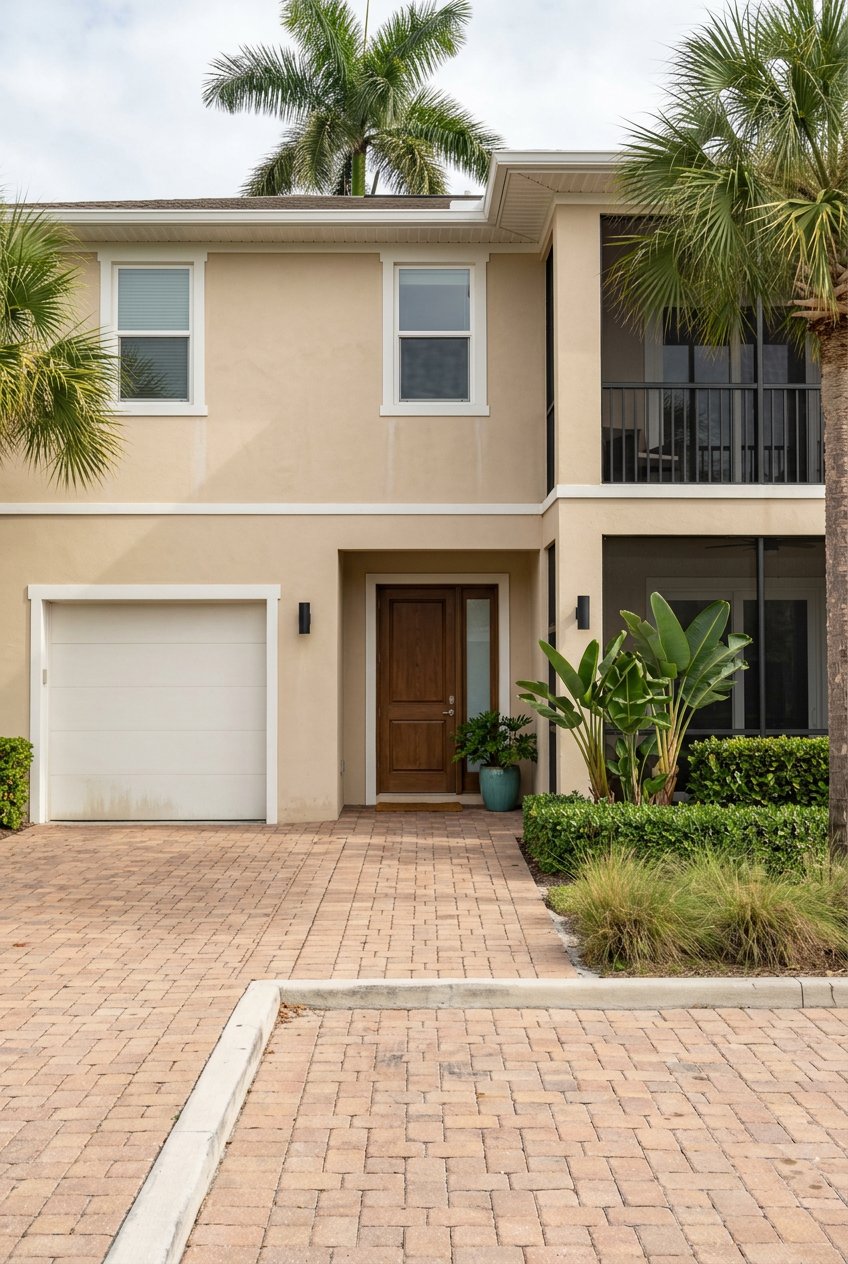
Deciding between a condo or a villa in Bonita Bay can feel like choosing between two great versions of the same dream. You want the right blend of lifestyle, convenience, outdoor space, and long-term value, without surprises on fees or insurance. In this guide, you’ll get a clear, side-by-side look at how condos and villas compare in Bonita Bay so you can buy with confidence. Let’s dive in.
Bonita Bay at a glance
Bonita Bay is a gated, master-planned waterfront and golf community set across roughly 2,400 acres with about 56 neighborhoods and an ultimate mix of around 3,300 residences. The setting emphasizes preserves, parks, and trails, along with water and golf access.
Signature amenities include five championship golf courses, a private community marina with Gulf access, a private beach park, multiple clubhouses, a large fitness and spa complex, and an active sports center with tennis, pickleball, and more. You can explore the full amenity slate on the Bonita Bay Club site under our amenities.
A key distinction: the Bonita Bay Community Association manages resident services, beach parks, and common areas. The Bonita Bay Club is a separate private club with optional membership for golf, dining, fitness, and spa access. Club fees are not part of neighborhood HOA or condo dues. Learn more about how the community and club operate on the club’s our community page.
Condos in Bonita Bay
Who they fit
Condos work well if you want a true lock-and-leave lifestyle with minimal exterior upkeep. High-rise towers often appeal to seasonal owners and second-home buyers who prioritize security, elevator access, and convenience to the marina, parks, and club facilities. If panoramic water and sunset views are at the top of your list, high-rise condos on the western side of the community can deliver them.
Upkeep and HOA coverage
Condominium associations typically maintain and insure building exteriors and major common systems under a master policy. As an owner, you usually carry an HO-6 policy for your interior finishes and personal property. Florida’s condo law outlines these responsibilities and common exclusions for unit owners. For details, review Florida Statutes Chapter 718. Because the association funds building insurance, reserves, and shared utilities, condo dues are often higher than villa or single-family dues.
Views and outdoor space
High-rises provide the widest and longest views across Estero Bay and toward the Gulf, especially for upper floors. Low-rise buildings trade height for easier access to ground-level patios and lanais. Private yard space is limited compared to villas.
Costs to expect
- Condo dues vary widely by building and service level. Recent examples inside Bonita Bay show several hundred dollars per month on the low end for smaller or carriage-style buildings and several thousand per month for premium full-service high-rises. One sample high-rise listing showed about $3,186 per month. Treat these as examples, not community-wide norms, and always verify current association statements.
- Insurance is split between the association’s master policy and your HO-6 policy. If your building sits in a higher-risk flood zone, your lender may still require flood coverage. Check your building’s policy and cross-reference your coverage with the master to avoid gaps.
- To confirm flood risk and potential lender requirements, use the FEMA Flood Map Service Center.
Rental flexibility
Leasing policies vary by building. Some condominiums permit multiple seasonal leases with minimum day requirements, while others limit the number of leases per year to support owner occupancy. Ask for the recorded declaration and written leasing rules before you count on rental income.
Villas in Bonita Bay
Who they fit
Villas are a strong fit if you want lower maintenance than a detached home but prefer more private, ground-level outdoor living than a condo typically offers. Many buyers enjoy a screened lanai, small yard, and an attached or detached layout that still keeps upkeep light.
Upkeep and HOA coverage
Villa communities differ. Some are structured like condominiums, where the association insures exteriors, while others put more maintenance responsibility on you. Many associations handle exterior paint, roof or landscape care, irrigation, and common areas. Always read the neighborhood’s Declaration of Covenants, budget, and reserve study to know exactly what you own and what the HOA covers.
Outdoor space and privacy
Villas usually provide more personal outdoor space than condos and easier access to lanai living. Privacy is moderate. Attached villas may share a wall or roofline, and views vary by lot, from preserve or lake outlooks to golf vistas or interior courtyards.
Costs to expect
- HOA fees for villas commonly range from the hundreds to the low thousands per month depending on services and whether a master association fee applies in addition to the neighborhood HOA. Always request current fee schedules and note any recent or pending special assessments.
- Insurance needs depend on how the community is structured. In condo-form villas, the association often insures exteriors and you carry an HO-6 policy. In fee-simple or non-condo villas, you typically need an HO-3 or HO-5 homeowners policy. County-level averages from Florida’s insurance regulator can help you frame expectations. The January 2025 report lists an average Lee County homeowners premium of about 2,519 dollars and a condo unit owner average of about 1,489 dollars. See the Florida OIR January 2025 report for context, then get a property-specific quote.
- Flood risk varies by lot and elevation. Verify flood zone and lender requirements through the FEMA Flood Map Service Center.
Club access and community services
It is easy to assume club access is part of every home purchase, but in Bonita Bay, the community services and private club are separate. The Bonita Bay Community Association manages resident services and common areas. The Bonita Bay Club is a private club with optional membership that runs the golf courses, fitness and spa complex, clubhouses, and dining programs. Club initiation and dues are separate from HOA or condo assessments. Review the club’s overview at our community and explore specific amenities under our amenities. If club access matters to you, call the club directly to confirm membership categories, current initiation, dues, and any waitlist policies in writing.
Condos vs villas: quick comparison
Maintenance and coverage
- Condos: Association handles exteriors and major systems under a master policy. You insure interiors with an HO-6.
- Villas: Coverage varies by community. Some insure exteriors like condos. Others put more on the owner.
Outdoor living and privacy
- Condos: Limited private yard space. Best for lock-and-leave convenience and building amenities.
- Villas: More ground-level outdoor living and privacy than most condos, though attached layouts may share walls.
Views and location feel
- Condos: High-rise options deliver premier bay and sunset views. Low-rise buildings offer convenience with modest views.
- Villas: Views depend on placement, from lakes and preserves to internal courtyards or golf.
Dues and carrying costs
- Condos: Dues can be higher due to building insurance and reserves. Budget for HO-6 plus potential lender-required flood.
- Villas: Dues range widely depending on services. Insurance type depends on ownership structure, with flood determined by lot and elevation.
Rental flexibility
- Condos: Wide variance in lease minimums and limits per year by building.
- Villas: Also variable by neighborhood. Always confirm in the recorded rules.
Best fit
- Condos: You value lock-and-leave living, services, and possibly tower views.
- Villas: You want more personal outdoor space without full single-family upkeep.
Pre-offer checklist for Bonita Bay buyers
- Confirm the legal product type and review all governing documents. Get the Declaration, Bylaws, master association covenants, budget, reserve study, and recent meeting minutes. For condos, request the association’s insurance certificate and master policy, then compare it to your HO-6. Florida’s condo law is a helpful reference at Chapter 718.
- Verify all HOA or condo fees and special assessments. Ask for the latest fee statements and written updates on any recent or pending assessments. Fees vary by sub-neighborhood and building.
- Check flood zone and elevation. Use the FEMA Flood Map Service Center and request elevation certificates if available. Expect lender-required flood insurance in higher-risk zones.
- Price insurance early. Consult a local independent agent for wind, hurricane, and flood quotes. Use the Florida OIR January 2025 report for county-level averages, then adjust for your property’s age, roof, mitigations, and location.
- Clarify boating plans. If a slip is important, confirm marina access, waitlists, and any size or docking restrictions. Verify whether dock rights convey or if slips are managed separately by the marina.
- Get the written rental policy. Ask for minimum lease terms, the number of leases allowed per year, blackout months, and any registration steps. Align your financial plan with the policy before relying on rental income.
- Confirm club membership options. If golf, dining, or fitness access is key, call the Bonita Bay Club for current categories, initiation, dues, and waitlist details.
- Think resale. High-rise views and turnkey condos can command premiums, while mid-range villas near amenities may attract steady seasonal demand. Use closed sales from the specific sub-neighborhood for pricing guidance.
How to choose your fit
Use your lifestyle as the tiebreaker. Ask yourself:
- Do you travel often and want minimal upkeep? If yes, a condo likely fits.
- Do you prefer ground-level living with room for a grill or a small garden? A villa may be your match.
- Are panoramic views a top priority? High-rise condos tend to deliver the strongest vistas.
- Is rental income part of your plan? Compare leasing rules in both product types and run realistic scenarios.
- Are you sensitive to monthly dues? Condos often run higher due to building insurance and reserves. Villas vary based on services and ownership structure.
- Will club access shape your routine? Treat club dues as a separate expense and confirm timing and availability directly with the club.
If you are still undecided, tour a mix of high-rise condo options and villa neighborhoods at different times of day. Pay attention to light, noise, elevator access or stairs, parking flow, and how each space supports your daily rhythm.
Ready to explore homes that match your goals and budget? Get a curated list and a clear plan for fees, insurance, and membership options. Reach out to Adam Dearmond for a personalized consultation and on-the-ground guidance in Bonita Bay.
FAQs
Are Bonita Bay club dues included in HOA fees?
- No. The Bonita Bay Club is a separate private club with optional membership, and its initiation and dues are not included in neighborhood HOA or condo fees. See the club’s overview under our community for how it operates.
What insurance do you need for a Bonita Bay condo?
- Most condo owners carry an HO-6 policy for interior finishes and personal property, while the association insures building exteriors and common systems. Responsibilities are outlined in Florida Statutes Chapter 718. If the building is in a higher-risk flood zone, lenders may require flood coverage; check the FEMA Flood Map Service Center for your location.
How much are typical condo or villa fees in Bonita Bay?
- Fees vary widely by sub-neighborhood and building. Recent examples show several hundred dollars per month for many villa and low-rise communities and over three thousand dollars per month for certain full-service high-rise condos. Always request current association statements and ask about any special assessments.
Can you rent seasonally in Bonita Bay?
- Yes, but rules differ by neighborhood and building. Policies often set a minimum lease term and limit the number of leases per year. Review the recorded leasing policy and any registration requirements before relying on rental income.
Do you need flood insurance in Bonita Bay?
- It depends on your flood zone and lender. Properties in high-risk zones usually require flood insurance for financed purchases. Check your parcel on the FEMA Flood Map Service Center and request an elevation certificate when available to better understand risk and pricing.